OpenAI is adding limits on how many paid ChatGPT subscriptions can be tied to one payment card or one device, so a ChatGPT device limit now works alongside a card limit. Users who link too many subscriptions to the same card or device cannot start new ones, according to The Decoder. The change is framed as part of OpenAI’s security measures, and it lands hardest on people who ran several cheap paid accounts side by side.
What OpenAI changed
The new rules cover two things: the payment card behind a subscription and the device a paid account is used on. When too many subscriptions share the same card or the same device, the ChatGPT paid account limit blocks further sign-ups for paid plans.
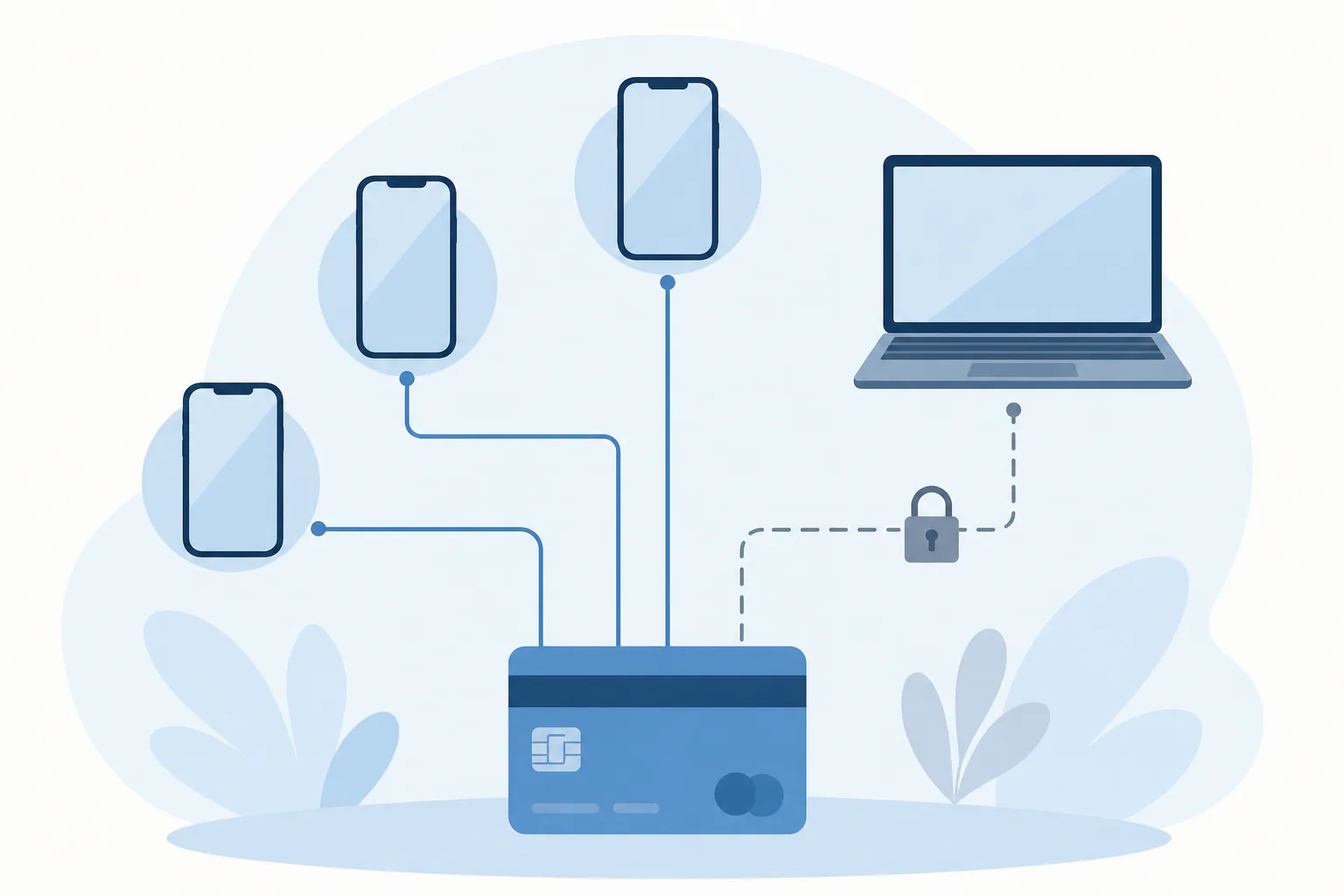
The Decoder describes ChatGPT as capping the number of paid accounts per device. Neither limit comes with a figure in the reporting, so how many subscriptions count as “too many” is not public in the material available.
The rule works along two separate axes. A card limit restricts how many subscriptions one payment method can fund, while the ChatGPT device limit restricts how many paid accounts one phone, tablet or computer can hold. Either one could, in principle, be the first a user runs into.
What users see at the ChatGPT device limit
A user who reaches the cap sees the message “Device limit reached”. From that point, the affected account can no longer be used on that device.
Logging out does not undo this. According to OpenAI’s support page, as cited by The Decoder, signing out of an account does not automatically free up a spot for another account. The count therefore does not behave like a simple list of accounts currently signed in.
The practical result is that a device keeps its tally of paid accounts even when none of them is open. Anyone who hits the message cannot get around it by cycling logins on the same hardware.
Blocked purchases at checkout
The cap also shows up at checkout. According to OpenAI’s help page, a new purchase can be refused with a warning that there are too many subscriptions associated with this card or device. That message is about the card or device, not a bank decline, so a blocked purchase does not mean the bank rejected the payment.
The ChatGPT device limit can also appear mid-session as a logout, even after a payment has cleared. The warning may offer a cancel-and-refund option. For subscriptions billed through ChatGPT or Google Play, paid access ends as soon as the cancellation succeeds, which is worth knowing before you choose that path.
Which plans are covered
The limits do not apply to every ChatGPT account. They split along the line between individual paid tiers and everything else.
Plans that count toward the limits
The limits apply to five paid tiers: ChatGPT Go, Plus, Pro 100, Pro 200 and Pro 500. These are the individual subscription levels, ranging from the entry tier up to the three Pro tiers.
Plans that do not count
Free accounts do not count toward the limits. Business, Enterprise and Edu plans are also outside them.
For a team that buys seats through a Business, Enterprise or Edu plan, the caps as reported do not apply. The affected group is people paying for individual plans, and the free tier stays untouched. A free account on a device does not use up any of the paid-account allowance.
Who is likely to feel it
The Decoder says the policy will likely hit users who have been switching between multiple paid accounts on one device to get more usage from cheap flat-rate subscriptions. A flat-rate subscription is a fixed monthly fee for access to a service, with the usage allowance included rather than billed by volume.
Under a flat fee, each additional account brings its own allowance for the same price as the first. Spreading work across several accounts on one device was therefore a low-cost way to get more total usage. The new device and card caps are aimed at that pattern.
Users with a single paid account on a single device are not described as affected. The reporting does not say that ordinary single-account use triggers the message. A shared household card or a public device is a different case. According to OpenAI’s help page, the limit can trigger there even when each person uses their own account.
What OpenAI offers instead
OpenAI points users who need more capacity to extra credits or usage resets. These are paid add-ons for people who have used up what their plan includes.
The Decoder notes that credits and resets are generally more expensive than an additional subscription. For someone who relied on several cheap plans, the cost of the same amount of usage therefore rises under the new arrangement. The outlet reads the change as steering users toward more paid usage, which is also the framing of its headline.
Revenue context behind the move
OpenAI describes the limits as a security measure. The Decoder adds its own reading and links the move to OpenAI’s merger of Chat and Work, which it says suggests the company is prioritizing revenue over growth. That interpretation comes from the outlet and is not a statement from OpenAI. That merger put Chat and Work together, so both modes now draw on a shared ChatGPT token budget instead of separate allowances.
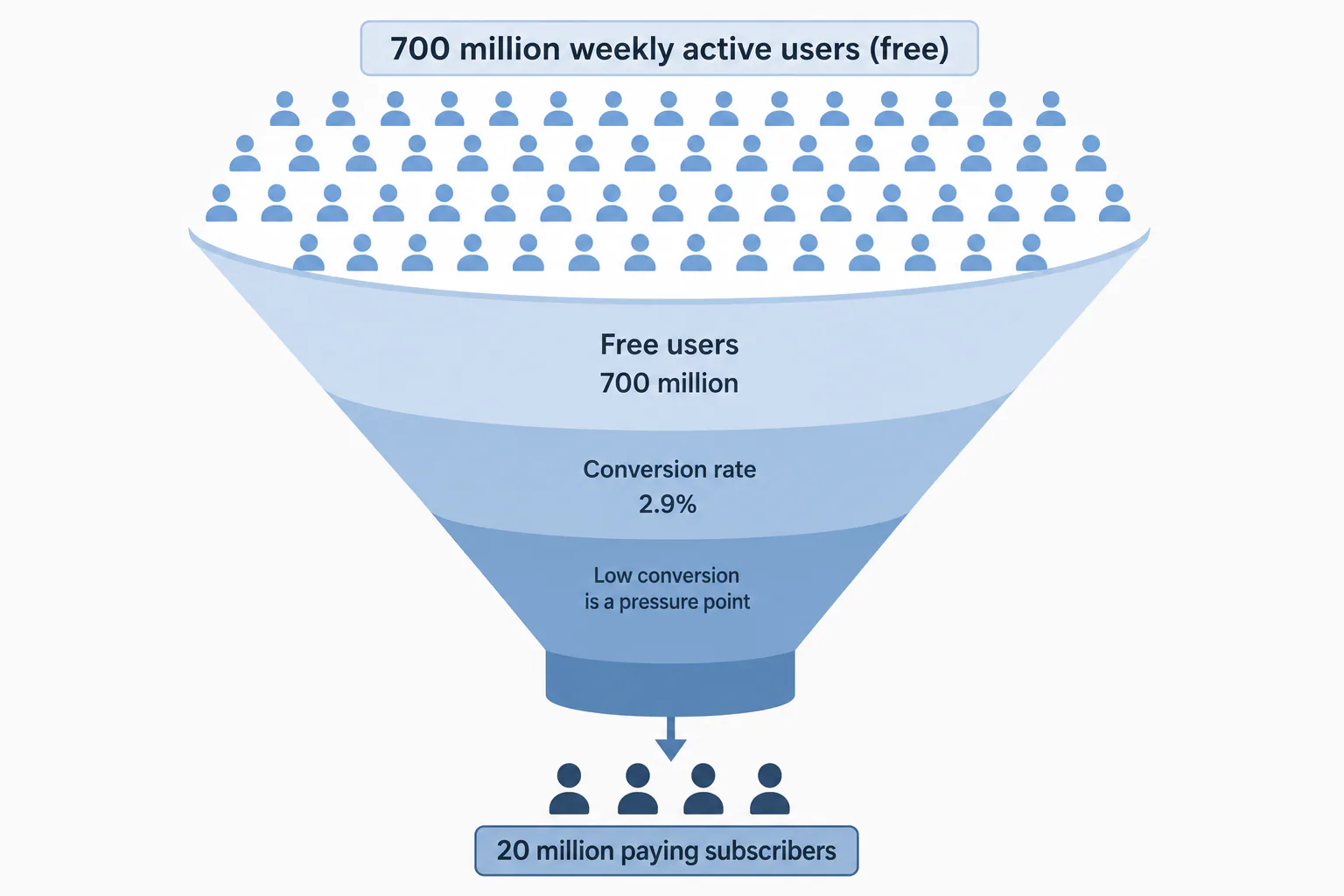
Paid conversion is a pressure point for OpenAI. In 2025, according to fintechgrowthinsider.com, the company reportedly had hundreds of millions of weekly active users but only 20 million paying subscribers, a small share of free users moving to paid tiers. Those figures describe that period, not the current situation.
The two sources do not connect those figures to the new limits directly. The numbers describe the size of the paying base relative to the free base, which is the context in which a rule about how paid accounts are shared would matter to the company.
What it means for teams that use ChatGPT
For anyone who has used several paid ChatGPT logins from one workstation, the main consequence may be that another paid account on that device or card is refused, and an account already past the cap stops working there. Switching users on a shared machine is where the ChatGPT device limit is most likely to show up.
Business, Enterprise and Edu plans sit outside the limits. A group that needs several people working at once therefore falls on the uncounted side of the line, based on the plan list reported. Whether any plan change is worth making is not something the reporting addresses.
The rules also separate paid use from free use. Free accounts remain uncapped in this context, so occasional light use does not touch the limits.
What is still not known
- The exact number of paid subscriptions allowed per card or per device is not stated in the available reporting.
- The date the limits take effect, or when the rollout finishes, is not given.
- It is not stated whether users who already exceed the limits keep their current subscriptions or lose access.
- OpenAI has not been quoted in the available material explaining the security reasoning in detail. The revenue link is The Decoder’s interpretation.
- Whether the limits will later extend to Business, Enterprise or Edu plans is not known.
- How OpenAI defines a “device”, for instance whether a browser and an app on the same hardware count together, is not described.
Sources
Photo by The Decoder
Frequently asked questions
Do free ChatGPT accounts count toward the limit?
Do free ChatGPT accounts count toward the limit?
No. Free accounts do not count, and neither do Business, Enterprise or Edu plans.
Which paid plans are limited?
Which paid plans are limited?
ChatGPT Go, Plus, Pro 100, Pro 200 and Pro 500.
What message appears when the limit is reached?
What message appears when the limit is reached?
The message reads “Device limit reached”, and the affected account can no longer be used on that device.
Does logging out free up a slot?
Does logging out free up a slot?
Not automatically. OpenAI’s support page says logging out of an account does not free a spot for another account.
Is ChatGPT safe, and is this change about safety?
Is ChatGPT safe, and is this change about safety?
The available reporting does not assess the overall safety of ChatGPT. They say only that the card and device limits are part of OpenAI’s security measures. The Decoder also connects the change to revenue priorities.
Does the limit apply to the ChatGPT app on iOS or other devices?
Does the limit apply to the ChatGPT app on iOS or other devices?
The reporting speaks of a cap per device and does not name specific operating systems or apps. Whether it differs by platform is not stated.
What can users do if they need more usage?
What can users do if they need more usage?
OpenAI points them to extra credits or usage resets, which are generally more expensive than an additional subscription, according to The Decoder.