OpenAI is merging ChatGPT’s Chat and Work modes and moving usage limits to a shared ChatGPT token budget, according to an updated OpenAI support page. Starting in December, Plus, Pro and Business plans will draw on a single token budget across ChatGPT and Codex, The Decoder reports. For paying users, the change replaces separate allowances with one pool that different models and tasks consume at different rates.
What the merger changes in ChatGPT
The company is folding the agentic features of the OpenAI Work mode into the main ChatGPT interface, with usage counted together with Codex, OpenAI’s coding agent. Agentic features are those in which a model carries out multi-step tasks on its own rather than only replying to a single prompt.
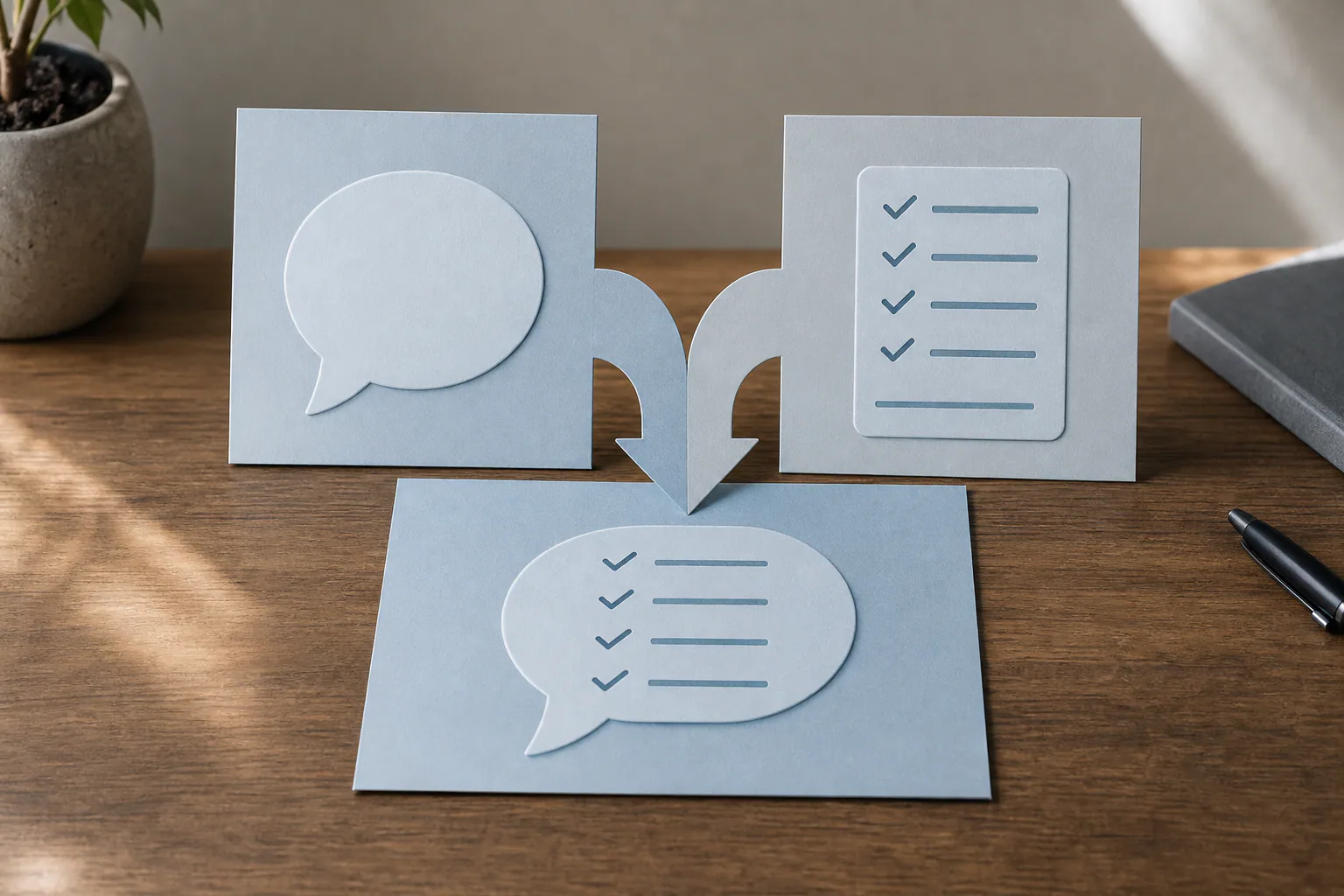
The merger itself is not new. OpenAI had already announced plans to combine Chat and Work, and the updated support page, as described in the report, now sets out how usage limits will operate once the two are one.
From two modes to one interface
At present, users choose between two operating modes and 11 model settings. That is a considerable number of choices before a single prompt is typed, and The Decoder says the merger is likely a response to criticism of ChatGPT’s growing complexity.
Folding Work into the main interface removes one of those decisions: the split between conversation and agentic tasks in Work no longer has to be made up front. The reports do not say whether the 11 model settings will also be reduced, so that part of the complexity may remain.
How the ChatGPT token budget works
Tokens measure the information a model processes and generates. Because of that, more complex models and tasks use the budget faster than simple ones, and the same budget stretches further on light requests than on heavy ones.
The budget applies to these three paid plans and is shared between ChatGPT and Codex. Usage in either product draws down the same pool, so there is no separate ChatGPT and Codex quota. A long session in Codex therefore leaves less for ChatGPT, and the reverse is also true. Under a per-product allowance, one product could sit unused while the other ran out; with a single budget, that can no longer happen.
Other coverage of the support page notes that Work and Codex already draw from one shared allowance today. Read that way, the December change mainly brings everyday Chat into the same pool, and that is the part Plus, Pro and Business users will notice most. Conversations with heavier models will then compete for tokens with agentic tasks and coding sessions.
Instant models stay outside the budget
Chats with Instant models will not count toward the ChatGPT token budget. Only usage with other models draws the pool down, so the choice of model affects how long the budget lasts. The report does not list which models are classed as Instant.
Coverage of the change also lists other usage that stays outside the shared pool. Regular Chat with Instant models keeps its own limits, voice conversations and file uploads run on separate counters, and image generation falls under a limit of its own. None of these draw on the token balance, according to those accounts, although the support page as summarized in the report does not spell out each case.
Balance and reset times
Users can check their remaining token balance and reset times in Settings. A visible balance matters in a token system, because consumption varies with the model and the task and is hard to judge from the number of prompts sent.
Options at the limit
Once users hit the limit, they can wait for a reset, upgrade, or buy extra credits. Three routes are named: waiting costs nothing but time, upgrading moves the user to another plan, and extra credits add budget without a plan change. Credits work as a purchasable add-on that sits alongside the token balance and stretches usage beyond the plan’s ChatGPT token limits. The report gives no prices for credits or upgrades.
When the change takes effect
The new ChatGPT token budget takes effect in December. The Decoder’s report, based on the support page, gives no more specific date, so the exact day of the switch is not yet confirmed in the available material.
Until then, the existing limits and the existing choice of modes remain in place. Users on the three affected plans have the intervening weeks to see how the new balance display and reset times appear in Settings once the change goes live.
Background and earlier moves
OpenAI recently doubled usage limits for higher-priced plans. The Decoder speculates this was preparation for the merger. That reading is the outlet’s interpretation and not a statement from OpenAI, but the timing fits the sequence, with larger limits first and a new way of measuring them after.
The competitive picture is also part of the story. Anthropic already combined Chat and Cowork in Claude, so ChatGPT is moving toward a similar single-interface design for conversation and the agentic tasks of Work. The report offers no comparison of how the two companies set their limits.
A simpler interface with a new variable
The criticism described earlier is the backdrop here. A single interface with a shared budget is the simplification OpenAI has chosen, though it brings a new variable, namely how fast each task spends tokens. Instead of picking a mode, users will watch how quickly the ChatGPT token budget runs down.
What it means for paying users
For customers on those paid tiers, the practical difference is that limits are expressed in tokens rather than separate allowances per product. Heavier use, such as agentic tasks in Work that run through many steps with a more capable model, will consume the budget faster than short chats with a lighter one.
The report says heavy usage on cheaper plans will likely mean lower-quality results. That is the outlet’s assessment and not an OpenAI claim, and the mechanism behind it is left unexplained. A reasonable reading of the facts is that those on lower tiers who use ChatGPT intensively are the ones most likely to reach the limit and face the choices of waiting, upgrading or buying credits.
Users who rely mostly on Instant models are the least affected, since those chats are not counted. Business customers who use ChatGPT for agentic tasks in Work alongside Codex will see both draw on one ChatGPT token budget, which makes the Settings balance the figure to watch.
What is still not known
- The exact December date on which the change starts.
- The size of the token budget for each affected plan.
- How many tokens specific models and tasks will consume.
- Which models count as Instant models.
- The price of extra credits.
- Whether the free tier or other plans are affected; the report names only Plus, Pro and Business.
- Whether a Business budget is set per user or per organization.
- Whether the number of model settings will change along with the merger.
Answers to these points would be expected to come from OpenAI’s support documentation. The information summarized here rests on a single report of that page by The Decoder, and further details may differ once the change is live.
Sources
Photo via The Decoder
Frequently asked questions
Which ChatGPT plans get the shared token budget?
Which ChatGPT plans get the shared token budget?
Plus, Pro and Business plans. They will share one token budget across ChatGPT and Codex starting in December.
Is the free version of ChatGPT affected?
Is the free version of ChatGPT affected?
The report does not say. It names only the Plus, Pro and Business plans, and it does not describe any change for free users.
What are tokens?
What are tokens?
Tokens measure the information a model processes and generates. More complex models and tasks use the budget faster.
Will every chat count toward the limit?
Will every chat count toward the limit?
No. Chats with Instant models will not count toward the token budget.
How can remaining budget be checked, and what happens at the limit?
How can remaining budget be checked, and what happens at the limit?
The remaining token balance and reset times are shown in Settings. At the limit, users can wait for a reset, upgrade, or buy extra credits.
Does the report cover the ChatGPT app, iOS, safety or reviews?
Does the report cover the ChatGPT app, iOS, safety or reviews?
No. The report deals only with the merger of Chat and Work and the new token-based limits, and it says nothing about the mobile apps, iOS availability, safety or product reviews.